

• Natural Dye and Shibori Workshop with Serafima Zavorotny and Fiona Ferguson

    https://www.whatcommuseum.org/event/striking-scarves-natural-dye-and-shibori-workshop/ Brighten up the winter months with natural dyes. Learn how to use plants to create vibrant, wearable art in this introduction to dye making. Participants will explore common natural dyes like madder and weld, learn how to achieve long-lasting color, and experiment with making simple dyes using kitchen scraps, like avocado skins. Next, participants will learn traditional shibori (Japanese tie dye) techniques...

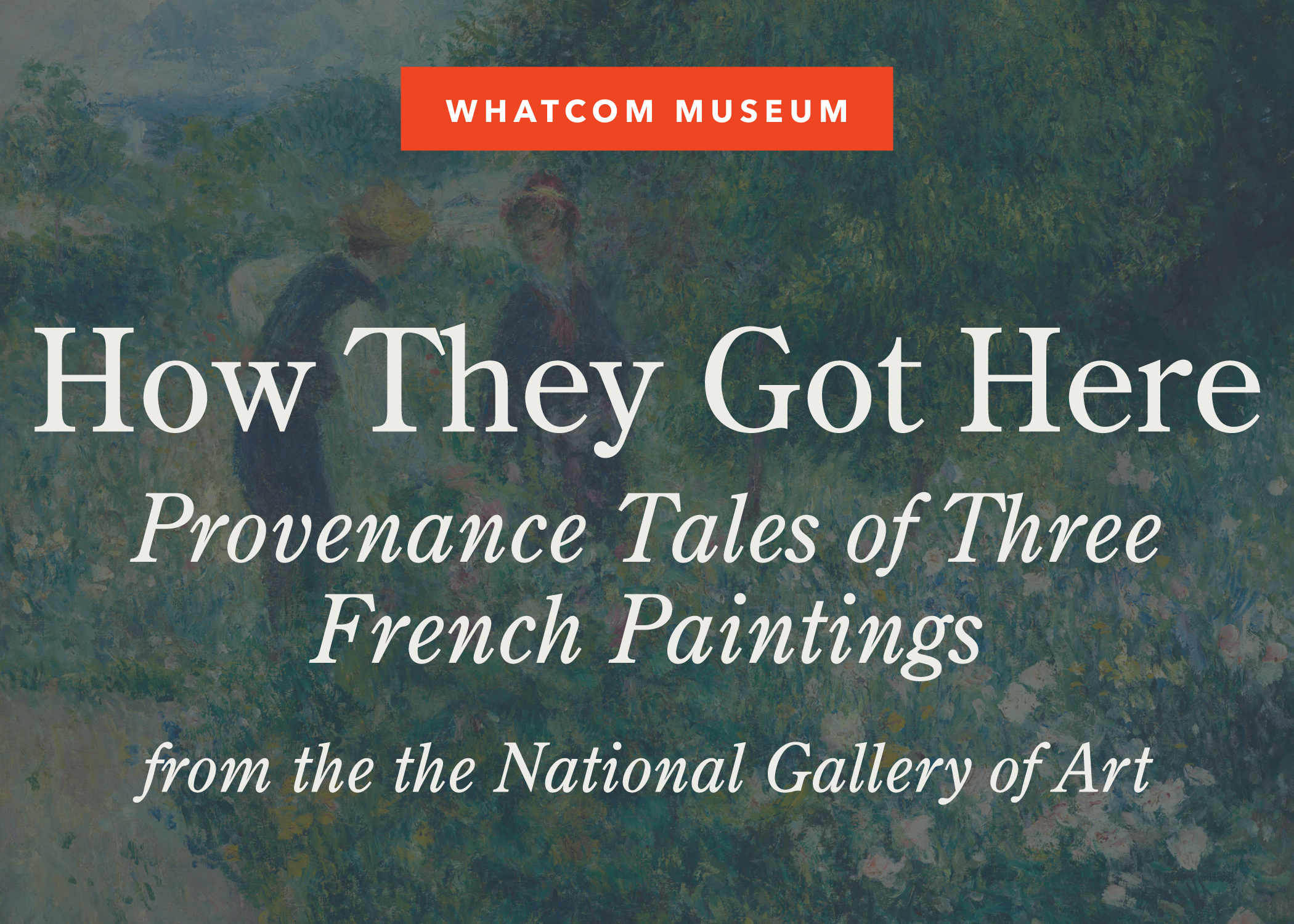
  • Provenance Tales of Three French Paintings from the National Gallery of Art

    https://www.whatcommuseum.org/event/how-they-got-here-provenance-tales-of-three-french-paintings/ Have you ever wondered how an artwork ends up in a museum? Provenance, or the history of an object’s ownership, can offer us a fascinating insight into the social environment in which art is made, sold, collected,...

  • Introduction to Recording Oral Histories with Kyle Norris

    https://www.whatcommuseum.org/event/introduction-to-recording-oral-histories/ There’s something incredibly special about recording the voices and stories of our loved ones. In this class, public radio reporter Kyle Norris will share his 20 years of experience to teach you the techniques to make audio recordings. Capture Grandma telling...

  • Introduction to Sunset Moth Preservation with Mickey Alice Kwapis

    https://www.whatcommuseum.org/event/introduction-to-bug-pinning-sunset-moths/ Learn how to spread and dry your own sunset moth specimen to keep. Using a rehydrated specimen ready to spread, each student will be guided through the process of flexing, posing, pinning, and drying their own moth specimen. This incredible insect, native to Madagascar, is a day-flying moth with...

  • Introduction to Forest Scorpion Preservation with Mickey Alice Kwapis

    https://www.whatcommuseum.org/event/introduction-to-bug-pinning-stunning-scorpions/ Learn how to spread and dry your own forest scorpion specimen to keep. Using a rehydrated specimen ready to spread, each student will be guided through the process of flexing, posing, pinning, and drying their own scorpion specimen. This incredible arachnid is native to Thailand and uses its pincers more than its tail to inflict damage to its prey. You will leave with your finished pinned specimen ready to dry...