

Fermentation takes time. Given enough of it, simple ingredients develop flavors entirely different in character. What was once a means of preservation has become an expressive culinary technique. Across cultures and generations, it has carried memories and traditions from one kitchen to another. In Whatcom and Skagit counties, those traditions are taking root in new places.
Buu Chan | Rika Wong
For founder Rika Wong, Buu Chan began long before there was a business, in her grandmother’s kitchen. Food became a way of preserving tradition and eventually grew into something she wanted to share.
“I felt like there was something missing for me when I came to Bellingham. I was missing the food from where I grew up,” Wong says.
That longing eventually found its way into jars and bottles. Wong began selling kimchi and chili oil varieties online. When business boomed, she became a vendor at the Bellingham Farmers Market, all while working a full-time job.
Behind a small business like Buu Chan is dedicated entrepreneurship: sourcing ingredients, preparing batches, navigating regulations, packaging, selling, and finding enough hours in the day to keep everything moving.
Today, Buu Chan’s lineup spans a range of Asian flavors, with kimchi among its most popular items. Wong takes pride in authenticity by opting for traditional ingredients. All of her kimchi is sweetened with Asian pears instead of sugar, and in place of fish products she uses tamari.
“I just missed having Asian flavors, which is why our lineup ended up being so vast. It kinda jumps from the different countries all across Asia, because these are things I like to eat,” Wong says.
Buu Chan is building what Wong once missed.
“The biggest compliment I’ve received has been, ‘This reminds me of something my grandmother used to make. This reminds me of home.’ At the end of the day, that is why I started this business,” Wong says.
Buu Chan, Bellingham, buuchaneats.com
Pangea Ferments | Braeden Kaemingk
Braeden Kaemingk began experimenting with the kombucha-making process before his interest carried him abroad. Four years living in Japan and traveling throughout Southeast Asia exposed him to the breadth of fermented and pickled foods that would shape his craft.
“I fell in love with all things fermented and pickled in that chapter of my life,” Kaemingk says. “Undoubtedly my travels have provided inspiration for the fermented foods that we currently sell, but also the foods we make and enjoy at home.”
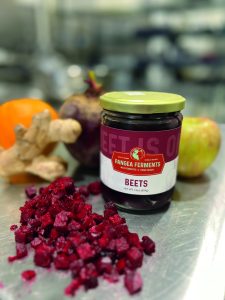
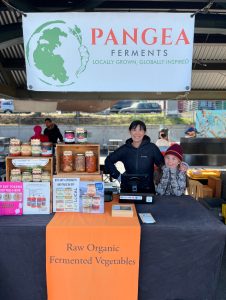
That influence became Pangea Ferments. Their kimchi, sauerkraut, pickles, and other seasonal ferments have found homes in grocers and farmstands from Olympia to north of the Canadian border.
Building lasting relationships with nearby farmers allows him to support the local food economy and maintain a small footprint, all while keeping ingredients close to home.
Pangea Ferments makes its products through natural fermentation. The process encourages the development of beneficial bacteria, which can contribute to a healthy intestinal flora and support the body’s digestion and absorption of nutrients.
As the business has grown over the last decade, Kaemingk remains passionate about building a business for his neighbors who helped make this possible.
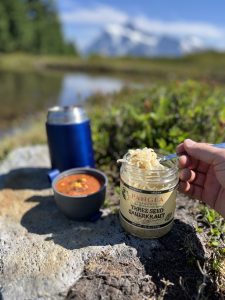
“To be honest, staying passionate has been tough. My passion lies in the community that has helped support and build this business,” Kaemingk said. “I draw energy and inspiration from all of the folks that I run into at the Bellingham Farmers Market week over week.”
Pangea Ferments, Bellingham, pangeaferments.com
Water Tank Bakery | Rachael Sobczak
Five years ago, baker Rachael Sobczak combined a decade of professional baking experience with a background in dietetics to open Water Tank Bakery in Burlington. Before that, she spent three years as what she describes as a “geeking-out homemaker,” experimenting with bread at home before moving to Skagit Valley to work at Bread Farm. For a decade, she refined her skills in both pastry and breadmaking before envisioning a different path.
She pursued studies as a dietitian and was taking prerequisites for a master’s program while running a school garden program. Then the Pandemic upended those plans. In times of uncertainty, she began selling bread of her own.
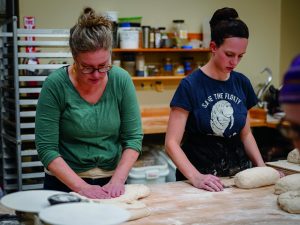
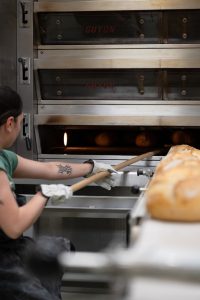
What started with pop-ups and subscription sales quickly gained momentum. Within a year, she acquired a deck oven (a costly investment for any baker) and opened Water Tank Bakery. The bakery recently celebrated its fifth anniversary.
Sobczak uses locally milled flour from Cairnspring Mills without additives or stabilizers to create her wholesome bread, cookies, and other goods. Because her bread is carefully fermented for hours, it makes the bread more digestible, especially for people sensitive to gluten.
Sobczak works closely with a network of farms and community-supported agriculture to craft high-quality goods that can be traced back to the origin of their ingredients.
“I love the Skagit Valley and being able to showcase the grains that are grown here,” Sobczak says. “I can create a very local product based on the amount of effort that people are already putting into the grain and farming economy here.”
Water Tank Bakery, Burlington, watertankbakery.com
Photographs by Braeden Kaemingk and Will Story


