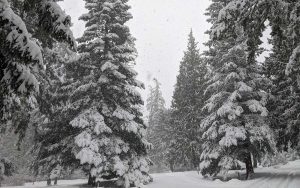

Winter is a season of contrasts: it’s the darkest, coldest season, representing quiet, solitude, and endings, and it’s also when we come together for festivities around joy, connection, and light. Many winter celebrations pay homage to the struggles of the season while reveling in the human capacity to endure, survive, and counteract them—here are some holidays, traditions, and events that celebrate everything there is to love about winter.
Lucia
Dec. 13
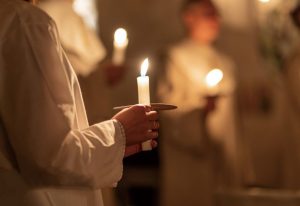
During this Swedish celebration of peace and light in darkness, children or adults dressed in white gowns and bearing candles form a singing procession. Lucia herself is the lead figure, crowned in a candle-laden wreath, bringing light, warmth, and food to help survive long, cold winter nights. The traditional snacks include gingerbread cookies, saffron buns, mulled wine, and coffee.
Hanukkah
Dec. 14-22
Dates vary
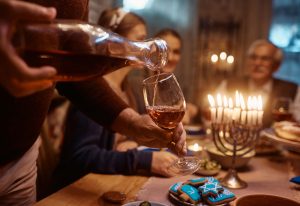
The Jewish Festival of Lights, Hanukkah celebrates the miracle of one night’s worth of oil lasting for eight nights following a feat of resilience and victory over oppressors. Each evening, Jewish families light an additional candle on the menorah, or hanukkiah, until all eight branches are lit (nine including the attendant candle in the middle). The menorah is placed in a window or doorway, and families will often eat special foods, say and sing special prayers, play games, or exchange gifts.
Photograph by Anne Godenham
Winter Solstice
Dec. 21
Dates vary
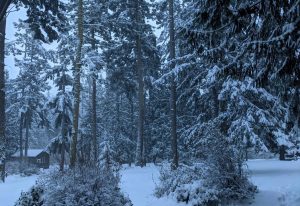
The winter solstice is the shortest day and longest night of the year, after which the days lengthen and the nights shorten until summer solstice. Winter solstice celebrations date back to the Stone Age, and influenced major religions and cultures in ways we see to this day. Yule, an ancient Germanic winter festival with themes of giving, feasting, fire, and evergreen nature, provided many traditions to both Christmas and the Wiccan Yule Sabbat, which is celebrated on the solstice.

Photograph by Rylie Obergfell
Christmas
Dec. 25
From its 4th-century invention to its modern-day commercialism, Christmas has changed a lot! A Christian holiday celebrating the birth of Jesus Christ, it was marked in the Middle Ages by church-going, feasts, and revelry for up to 12 days. Over the centuries, jolly personifications of the holiday and a focus on children emerged. Now Christmas is enjoyed around the world, and centers mirth, family and children, gift-giving, charity, commerce, and its uniquely globalized mythology.
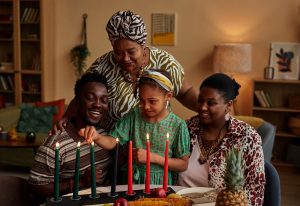
Kwanzaa
Dec. 26-Jan. 1
Kwanzaa is a seven-day holiday that celebrates African American and pan-African culture, history, and community. During the week, the Nguzo Saba (seven cultural principles) are recognized and celebrated with candle-lighting on the Kinara, feasts, and other festivities. It was developed in the ‘60s in the spirit of various African harvest and first-fruits celebrations. It carries themes of gathering, reverence, and celebration, and is a time of reinforcing community and family bonds, like many other winter celebrations.
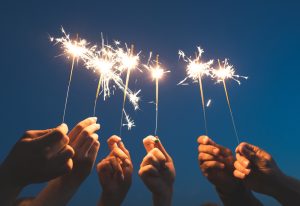
New Year’s Eve
Dec. 31-Jan. 1
The biggest party of the year is New Year’s Eve! Death, birth, and renewal are on everyone’s minds. While other holidays are more family-focused, New Year’s is a time to raucously celebrate at large parties (whether that’s in New York City or Rio de Janeiro, at a dance club or a friend’s house) and watch some kind of spectacular at the strike of midnight (like the Times Square ball drop or fireworks bursting). Don’t forget to toast or exchange a kiss at midnight for good luck!
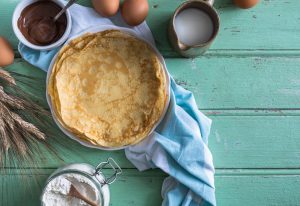
La Chandeleur
Feb. 2
February in early France was the perfect time to use up the last of the grain and eat crepes—round, flat, golden pancakes that sort of resemble the sun. Le Chandeleur may seem superstitious, involving coins and lucky crepe flips and a belief that rain will mean 40 more days of dark weather (yes, it’s got similar DNA to Groundhog Day). Ultimately, though, this day is about hoping for the return of warm, sunny days, and bidding a pre-emptive goodbye to winter.
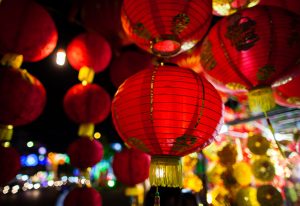
Lunar New Year & Chinese New Year
Feb. 17
Dates vary
Lunar New Year is the inclusive name given to the lunisolar new year celebrated by some Asian cultures, like those descending from China, North and South Korea, and Vietnam. Here in the North Sound, Lunar New Year is widely celebrated on both sides of the U.S. and Canadian borders, especially in the tradition of Chinese New Year.
Also called the Spring Festival, Chinese New Year sees streets, homes, and fashion overrun with red and gold, representing joy and good fortune. On Chinese New Year’s Eve, a fifteen-day celebration begins with a big feast. In the following days, there will be fire crackers, lion dances, family visits, and gifts of red envelopes filled with money. The fifteenth day is marked with the Lantern Festival, which will fall on March 3. Under the first full moon of the new year, lanterns are lit, hung, and released into the night sky, “illuminating the future” and letting go of the past year.
The More to Celebrate, My Dear
Here in the U.S., fall and winter together are considered the “holiday season.” Some may argue it’s only November through early January, but as time goes on, the dates keep expanding. This encroaching merriment has produced plenty of eyerolling in recent years, but what’s wrong with being in a festive mood? Many folks start getting excited for the first end-of-year holidays, like Diwali, Halloween, Dia de Muertos, and Thanksgiving, as early as September.